Course Images

Trusts vs Forced Heirship Provisions
Booking options
€100
+ VATDates
Highlights
Live Online
2 CPD Units | 2 Hours
The EIMF Live Online Learning Experience
Participants will receive access to the recorded sessions of the course.
EIMF subject-matter experts deliver engaging and interactive courses across a broad spectrum of areas, that can be enjoyed in the comfort of your own chosen environment. Read more
Course Overview
Being a jurisdiction that historically relies on strong family bonds and protecting the preservation of family assets within the circle of close relatives, Cyprus law imposes considerable restrictions on the testator’s freedom as to whom to dispose their estate to on death. Immediate family members (eg, a spouse, children, grandchildren and parents of the deceased) are protected as they are entitled by law to a substantial part of the deceased’s estate under the regime of forced heirship.
At the same time inter vivos trusts may have been set up by the testator prior to his death or testamentary trusts under a will of the deceased. If the trust is not in line with the forced heirship provisions this will give rise to the need to have a strict interpretation of the law and the provisions of the trust.
Different considerations are applied for an inter vivos trust compared to a testamentary trust. Also, the domicile of the testator must be considered and differentiate between movable and immovable assets.
Training Objectives
By the end of the programme, participants will be able to:
Understand what forced heirship is
Know how forced heirship is applied
Understand the principle of domicile
Apply the relevant provisions of the Cyprus law
Understand how a trust can be affected by forced heirship claims.
Comprehend the EU regulations and enforcement of judgements.
Training Outline
The Cyprus law on Wills and Succession Law, Cap 195 and The Administration of Estates Law, Cap 189.
Main provisions of forced heirship
Complexities and risks to consider in setting up and administering a trust which may be subject to forced heirship claims
How to avoid forced heirship restrictions
Who Should Attend
The programme is ideal for:
Professionals dealing with trusts and estate succession planning
Lawyers, accountants, auditors and bank officers
Officers of family offices
Welfare and equality Officers
Business Executives
Training Style
This course offers an in-depth exploration of real estate agreements, covering sale, lease, and other contracts with critical legal insights. Learn best practices for drafting and negotiating agreements, conducting due diligence, and managing risks. Practical discussions provide perspectives for buyers, sellers, lessors, and lessees, ensuring a great understanding of property transactions.
CPD Recognition
This programme may be approved for up to 2 CPD units in Law. Eligibility criteria and CPD Units are verified directly by your association, regulator or other bodies which you hold membership.
In-house Training
For groups within the same organisation, this course may be customized to meet any specific needs and delivered in-house.
Facilitators
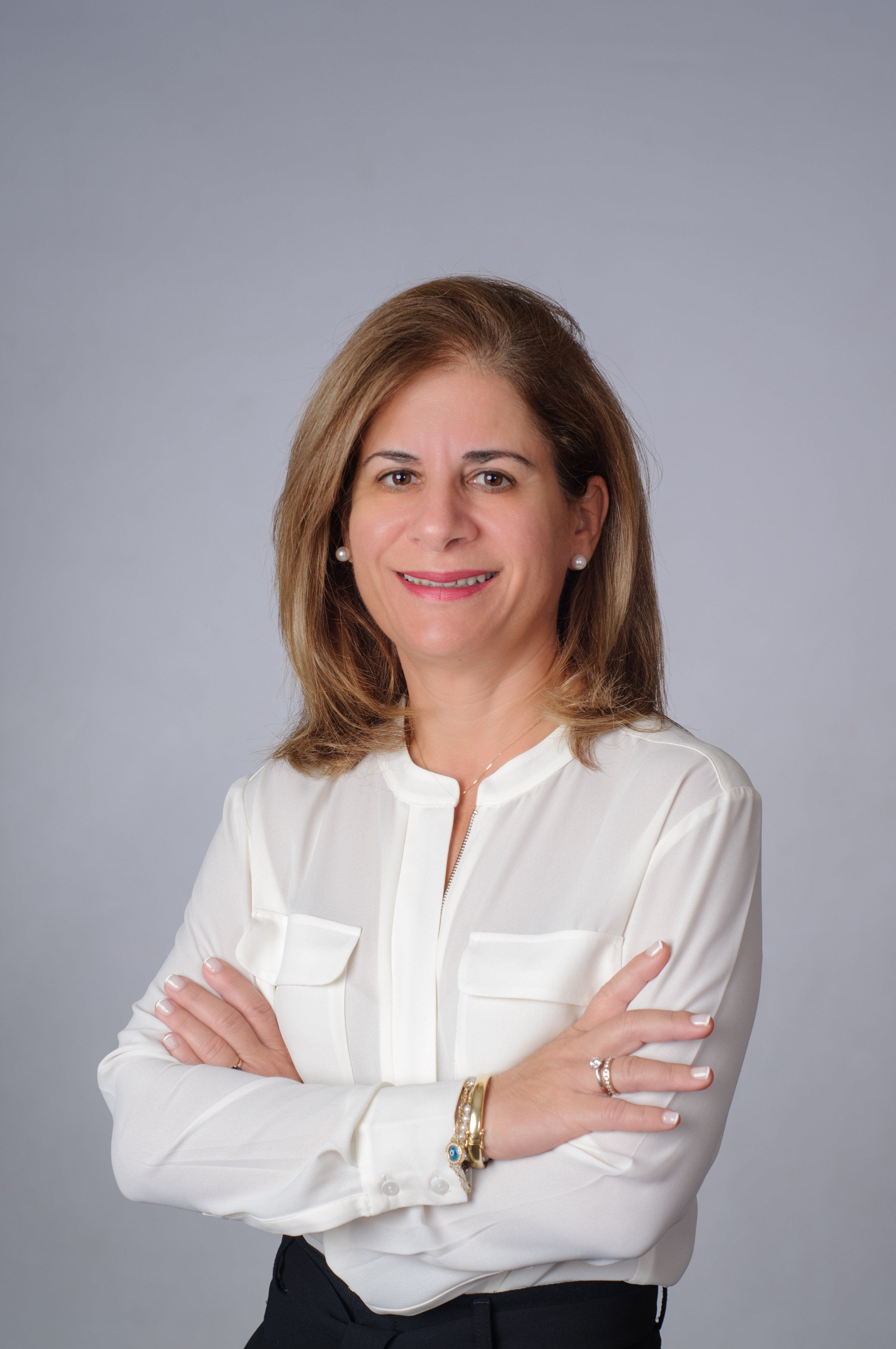
Stella Kammitsi
Stella Kammitsi is a qualified lawyer and member of the Cyprus Bar Association since 1992. She runs her own law firm and her fiduciary service provider company, Raza Corporate Services Ltd. Her main areas of expertise are Corporate, Banking, Trust and Estate Succession Planning and Commercial Law. She obtained her law degree from the University of Leicester, UK and her LLM in International Banking Law from Boston University, USA. She is member to the boards of various companies and associations including, inter alia, ex-Chairwoman of STEP Cyprus and one of the Deputy Chairperson of the STEP Europe Region, Vice-President to BPW Cyprus, Chairperson of the Standing committee for Legislation of BPW International. She has also been the ex-Chairwoman and ex Vice-Chairwoman at the Housing Finance Corporation (appointed by the Council of Ministers) and ex-President of the Cyprus Women’s Lobby. She is a regular speaker at international conferences and a lecturer at the International University of Monaco. She has also been a lecturer for Business Law and Banking Law in several universities and colleges in Cyprus.